

+918048034294

Currently it only shows your basic business info. Start adding relevant business details such as description, images and products or services to gain your customers attention by using Boost 360 android app / iOS App / web portal.

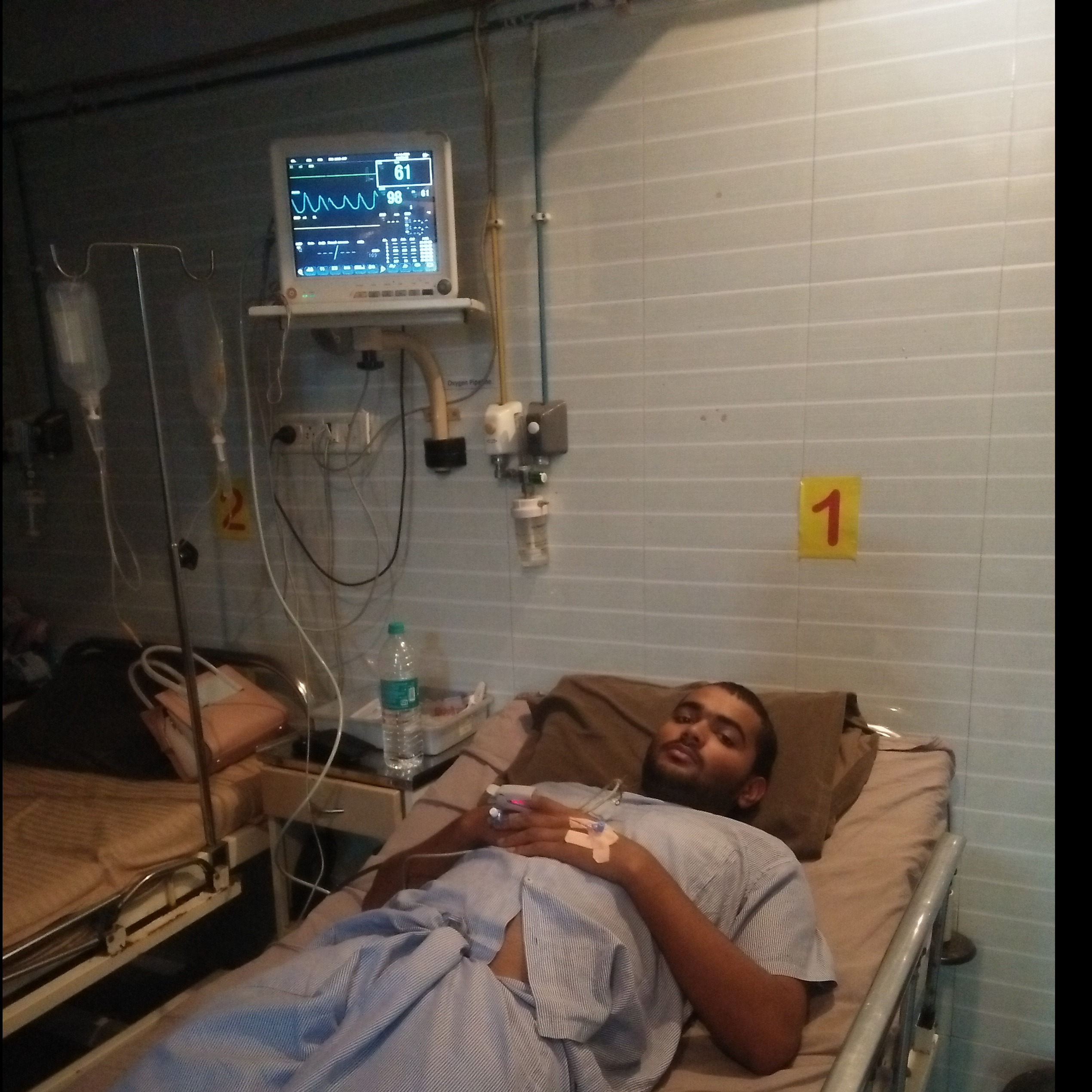
Your First Visit to a General Surgeon: What to Expect, What to Bring and What Questions to Ask Introduction Being advised to consult a general surgeon does not necessarily mean that you will need surgery. Many patients become anxious when they hear the word “surgeon.” They may immediately assume that an operation is unavoidable. In reality, a general surgeon's consultation begins with understanding the patient's symptoms, examining the condition, reviewing previous reports, and determining whether surgery is actually appropriate. A surgical consultation is an important opportunity for patients to understand their condition and make informed decisions about treatment. At Aayush Multispecialty Hospital, Thane, patients can consult Dr. Ankur Bhanushali, General Surgeon, for evaluation of a wide range of general surgical conditions. The hospital also provides access to modern surgical facilities as a Laser & Advanced Laparoscopy Centre in Thane, where minimally invasive and laser-based approaches can be considered when medically appropriate. Does Seeing a Surgeon Mean You Definitely Need Surgery? No. This is one of the most important things patients should know. A general surgeon may recommend: Observation Lifestyle measures Medicines Additional investigations Follow-up A minor procedure Elective surgery Urgent treatment The recommendation depends on the diagnosis. A consultation is about finding the right treatment, not automatically scheduling an operation. Why Might Someone Be Referred to a General Surgeon? General surgeons manage a broad range of conditions. Patients may be referred for: Abdominal problems Abdominal wall conditions Hernias Gallbladder-related surgical conditions Appendix-related conditions Anorectal problems Skin and soft-tissue lumps Certain infections Conditions requiring minimally invasive surgery Other general surgical concerns The first consultation helps determine what is actually causing the problem. What Happens During the First Consultation? A surgical consultation generally has several stages. 1. Understanding Your Symptoms The surgeon may ask: When did the symptoms begin? Are they getting better or worse? Are they constant or intermittent? What makes them worse? What makes them better? Have you had the same problem before? Do not worry if you cannot remember every detail. Simply provide as much accurate information as possible. 2. Reviewing Your Medical History Your general medical history can influence surgical decisions. Tell the surgeon about: Previous operations Major illnesses Allergies Current medicines Previous hospital admissions Previous anaesthesia problems Relevant medical conditions It is better to provide too much relevant information than leave out something important. 3. Reviewing Previous Reports If you have already undergone tests, bring your reports. These may include: Ultrasound reports CT scans MRI reports Blood investigations Previous operation records Biopsy or pathology reports Prescriptions Discharge summaries If you have imaging on a CD, digital device, or patient portal, bring access to the actual images when possible—not only the written report. 4. Physical Examination Depending on your symptoms, the surgeon may perform a physical examination. The examination can help identify: Swelling Tenderness Lumps Hernias Skin changes Abdominal findings Other physical signs Patients should not feel embarrassed about discussing symptoms. Surgical teams routinely evaluate medical conditions involving different parts of the body. 5. Deciding Whether Further Tests Are Needed Not every patient needs extensive investigations. The surgeon may recommend additional tests if more information is required to confirm the diagnosis or plan treatment. Depending on the condition, these could include: Blood tests Ultrasound CT scan MRI Other specialised investigations The tests should be based on the clinical situation. Why You Should Bring Your Previous Prescriptions If you have already visited another doctor, your previous prescriptions can help the surgeon understand: What medicines you have tried How long you took them Whether symptoms improved Whether previous treatment caused side effects This information can prevent unnecessary repetition and provide useful context. What if You Are Already Taking Medicines? Do not stop prescribed medicines simply because you have an upcoming surgical consultation. Tell the surgeon about all medicines you currently take. This includes medicines that may affect: Blood clotting Blood pressure Blood sugar Other medical conditions The surgeon can advise whether any medication needs to be changed before a procedure. Should You Tell the Surgeon About Previous Surgery? Yes. Previous surgery can be very important. It may affect: Internal anatomy Scar tissue Surgical access Choice of technique Planning for laparoscopic surgery Even an operation performed many years ago may be relevant. What Questions Should You Ask Your Surgeon? Patients sometimes leave a consultation and later realise they forgot to ask something important. Writing down questions before the appointment can help. Consider asking: “What exactly is my diagnosis?” Understanding the problem is the first step. “Do I actually need surgery?” Not every condition requires an operation. “What happens if I wait?” For some conditions, observation may be reasonable; for others, delay may create problems. “What treatment options are available?” Ask whether there are surgical and non-surgical options where applicable. “Why are you recommending this particular procedure?” Understanding the reasoning can make you more comfortable with the treatment plan. Ask About Laparoscopic Options When Appropriate If surgery is recommended, you can ask: “Is a laparoscopic approach suitable for my condition?” Laparoscopic surgery can be beneficial for selected procedures and patients. However, it is not automatically appropriate for every case. The surgeon will consider your diagnosis and individual circumstances. Ask About Laser Treatment—But Ask the Right Question Patients increasingly search for laser surgery in Thane. Instead of simply asking: “Do you do laser surgery?” a more useful question is: “Is a laser-based procedure appropriate for my particular condition, and why?” Laser technology has specific applications. The correct procedure should be determined by the diagnosis rather than by the technology alone. How Long Does a Consultation Take? Consultation time varies. Some cases are straightforward, while others require detailed discussion of symptoms, reports, previous treatments, and surgical options. Patients should avoid rushing through the appointment when they have important concerns. What If You Feel Nervous About Asking Questions? This is extremely common. Patients may worry that their questions are “too basic.” They are not. You have the right to understand: Your diagnosis Treatment options Risks Expected recovery Follow-up Costs and hospital arrangements where applicable Good patient communication is an important part of healthcare. Should You Bring a Family Member? For some patients, having a family member or trusted person accompany them can be helpful. They may help: Remember instructions Ask questions Take notes Understand the treatment plan For major procedures, having someone involved in the discussion can be especially useful. What Happens If Surgery Is Recommended? If surgery is considered appropriate, the surgeon may explain: The diagnosis Why surgery is being recommended The proposed procedure Possible alternatives Potential risks Anaesthesia considerations Expected hospital stay Recovery Follow-up Patients should have an opportunity to understand the proposed treatment before proceeding. Elective Surgery vs Emergency Surgery Not every surgical procedure needs to happen immediately. Elective Surgery A planned procedure that can generally be scheduled in advance. This gives the patient time to: Complete investigations Prepare medically Discuss the procedure Arrange work and family responsibilities Emergency Surgery A situation where delaying treatment may be unsafe. Emergency decisions depend on the patient's condition and medical assessment. Preparing Yourself for a Planned Surgical Consultation Before visiting the hospital, make a simple list containing: Your Symptoms When they started and how they have changed. Your Medicines Include regular prescriptions. Previous Medical History Major illnesses and previous operations. Your Reports Bring relevant investigations. Your Questions Write them down. This preparation can make the consultation more productive. Don't Hide Symptoms Because They Feel Embarrassing Certain surgical problems involve sensitive areas of the body. Patients may hesitate to discuss: Anal symptoms Bowel problems Groin swelling Intimate-area lumps Skin lesions But accurate information is essential for diagnosis. A medical consultation is a professional environment, and patients should feel comfortable describing their symptoms honestly. When Should You Seek Prompt Surgical Evaluation? You should seek medical attention for symptoms such as: Severe or worsening pain Persistent vomiting Significant abdominal swelling Fever with concerning symptoms Sudden painful swelling Bleeding A painful lump that is increasing in size Symptoms following recent surgery Other rapidly worsening symptoms If symptoms are severe or you believe you may have a medical emergency, seek urgent medical care rather than waiting for a routine appointment. Dr. Ankur Bhanushali – General Surgeon in Thane Dr. Ankur Bhanushali, General Surgeon, provides surgical consultation at Aayush Multispecialty Hospital, Thane. Patients can discuss their symptoms and receive an appropriate evaluation for general surgical conditions. The objective of the consultation is to understand the patient's condition and determine the most appropriate management. Where surgery is required, the surgeon can explain available approaches, including minimally invasive techniques when appropriate. Aayush Multispecialty Hospital – Patient-Centred Surgical Care At Aayush Multispecialty Hospital, the surgical journey can include: Consultation → Diagnosis → Investigation → Treatment Planning → Pre-operative Preparation → Surgery When Required → Recovery → Follow-up The hospital's positioning as a Laser & Advanced Laparoscopy Centre in Thane supports access to modern surgical approaches for suitable patients. The hospital provides surgical care across multiple general surgery areas rather than focusing on only one type of procedure. General Surgeon in Thane for Surgical Consultation Patients searching for: General surgeon in Thane General surgeon in Thane West Surgical consultation in Thane General surgery hospital in Thane Laparoscopic surgeon in Thane Laser surgery centre in Thane Advanced laparoscopy centre in Thane Surgeon near Panch Pakhdi General surgery hospital near Thane West can consider consulting an appropriately qualified general surgeon and discussing their individual medical needs. Frequently Asked Questions Does seeing a general surgeon mean I need an operation? No. A surgeon first evaluates the condition and determines the appropriate treatment. Should I bring old medical reports? Yes. Relevant previous reports, scans, prescriptions, and discharge summaries can be useful. Can I ask for a second opinion? Yes. Patients may seek another qualified medical opinion when they want additional clarity about a diagnosis or planned treatment. Can I ask about laparoscopic surgery? Yes. If surgery is recommended, ask whether a laparoscopic approach is suitable for your particular condition. Should I stop my medicines before consultation? Do not stop prescribed medicines on your own. Tell the doctor what you are taking and follow their instructions. Visit Aayush Multispecialty Hospital, Thane Laser & Advanced Laparoscopy Centre Aayush Multispecialty Hospital Address: 1st Floor, Marigold Apartment Almeda Road, Mahapalika Bhavan Road Opposite Nitin Co. & Honda Showroom Panch Pakhdi, Thane West Thane, Maharashtra – 400602 Phone: 086910 33033 Open 24 Hours Conclusion A visit to a general surgeon is not simply about deciding whether to have an operation. It is an opportunity to understand what is causing your symptoms, whether treatment is required, what options are available, and what approach may be most appropriate for you. Patients can make their consultation more productive by bringing previous reports, providing an accurate medical history, listing current medicines, and preparing questions in advance. At Aayush Multispecialty Hospital, Thane, Dr. Ankur Bhanushali, General Surgeon, provides evaluation and treatment for a broad range of surgical conditions. With its focus on Laser & Advanced Laparoscopy, the hospital provides modern surgical options when clinically appropriate, while keeping the patient's diagnosis and individual requirements at the centre of treatment planning. Aayush Multispecialty Hospital 1st Floor, Marigold Apartment, Almeda Road, Mahapalika Bhavan Road, opposite Nitin Co. & Honda Showroom, Panch Pakhdi, Thane West, Thane, Maharashtra – 400602. Phone: 086910 33033


