

+918048034294

Currently it only shows your basic business info. Start adding relevant business details such as description, images and products or services to gain your customers attention by using Boost 360 android app / iOS App / web portal.

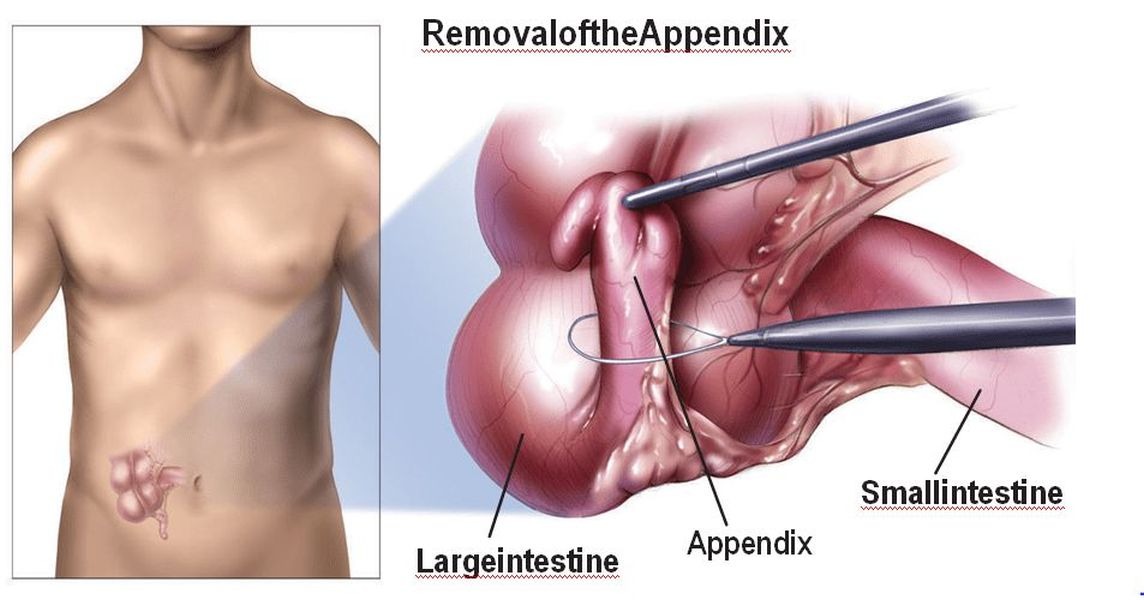
When Is Surgery Necessary? Understanding How Surgeons Decide the Right Treatment Being told that you may need surgery can immediately raise questions: “Do I really need an operation?” “Can medicines treat this problem?” “Can I wait?” “Is laparoscopic surgery possible?” These are important questions. Surgery is not automatically the answer to every condition. A good surgical treatment plan begins with an accurate diagnosis and a careful assessment of whether an operation is actually necessary. At Aayush Multispecialty Hospital, Thane, patients can undergo surgical evaluation to understand their condition, treatment options, and whether surgery is appropriate for them. Surgery Is One Part of Treatment Modern healthcare offers several approaches to managing disease. Depending on the condition, treatment may involve: Medicines Dietary changes Lifestyle modifications Observation Physiotherapy Further investigations Minimally invasive procedures Open surgery Emergency surgery The appropriate choice depends on the diagnosis and the patient's individual circumstances. Step 1: Establishing the Diagnosis Before recommending an operation, the surgeon needs to understand what is causing the patient's symptoms. The evaluation may include: Medical History The doctor may ask about: When symptoms started Where the pain is located How frequently symptoms occur What makes symptoms better or worse Previous illnesses Previous surgeries Current medicines Physical Examination A physical examination can provide important information that cannot always be obtained from scans alone. Investigations Depending on the suspected condition, investigations may include: Blood tests Ultrasound X-ray CT scan Other diagnostic tests Not every patient requires every investigation. When Can Surgery Become Necessary? Surgery may be considered when a condition cannot be adequately managed with conservative treatment or when an operation offers an appropriate way to correct the underlying problem. Examples can include certain: Hernias Gallbladder conditions Appendicitis Complicated anorectal conditions Pilonidal sinus disease Abdominal conditions Other surgical disorders The decision is specific to the individual patient. Hernia: Why Surgery May Be Recommended A hernia occurs when tissue pushes through a weakened area in the surrounding muscle or connective tissue. Some hernias may initially cause little discomfort. However, surgical repair may be recommended depending on: Symptoms Size Location Progression Risk of complications Patient's overall health A surgeon can explain whether observation or repair is appropriate. Gallbladder Problems and Surgery Gallstones do not necessarily require surgery in every person. However, when gallstones cause repeated symptoms or complications, gallbladder removal may be recommended. For suitable patients, laparoscopic gallbladder surgery can be used. The decision depends on the patient's diagnosis and clinical condition. Appendicitis May Require Urgent Treatment Appendicitis is inflammation of the appendix. When appendicitis is suspected, timely medical evaluation is important because untreated inflammation can progress to complications. Some patients may require an urgent operation to remove the appendix. The treatment decision depends on clinical assessment and investigations. Piles, Fissure and Fistula: Does Everyone Need Surgery? No. These conditions have different causes, symptoms, and treatment approaches. For example, early or uncomplicated cases may sometimes be managed conservatively, while persistent or complicated disease may require a procedure. A surgical examination helps determine the appropriate treatment rather than assuming that every patient needs an operation. What About Pilonidal Sinus? Pilonidal sinus can cause recurrent swelling, pain, or discharge near the tailbone. Treatment depends on whether the patient has: An acute infection Recurrent disease Persistent symptoms A chronic sinus A surgeon can assess the condition and discuss appropriate management. Emergency Surgery Is Different From Planned Surgery There is a major difference between elective and emergency surgical care. Planned Surgery A planned operation allows time for: Medical assessment Preoperative investigations Anesthesia evaluation Discussion of treatment options Preparation for recovery Emergency Surgery Emergency surgery may be required when delaying treatment could increase the risk of serious complications. Examples can include certain cases of: Complicated appendicitis Intestinal obstruction Strangulated hernia Abdominal infection Internal bleeding Not every emergency requires surgery, but urgent evaluation may be necessary. What Factors Influence the Decision? A surgeon may consider several factors before recommending an operation. Severity of the Condition A mild condition may be treated differently from an advanced or complicated condition. Symptoms Persistent or severe symptoms can influence the treatment decision. Risk of Complications Some conditions have a higher risk of complications if left untreated. Overall Health Other medical conditions can influence whether and when surgery should be performed. Previous Operations Previous abdominal surgery, for example, may affect the choice of surgical technique. Expected Benefits The surgeon should consider whether surgery is likely to provide meaningful benefit to the patient. Why Laparoscopic Surgery May Be Considered For certain procedures, a minimally invasive approach may be possible. Laparoscopic surgery uses a camera and specialised instruments through small incisions. For appropriately selected patients, potential advantages may include: Smaller incisions Smaller scars Less tissue disruption Earlier mobilisation Potentially shorter hospitalisation However, laparoscopic surgery is not automatically the best option for every patient. The surgeon needs to determine whether it is appropriate for the particular condition. Can You Get a Second Opinion? For planned surgery, patients can discuss their diagnosis and treatment options with another qualified surgeon if they want additional clarity. A second opinion can be particularly useful when: The diagnosis is unclear Major surgery has been recommended You are uncertain about the treatment options You want to understand minimally invasive alternatives You have concerns about recovery Seeking another professional opinion does not necessarily mean that the first surgeon was wrong. Questions to Ask Before Agreeing to Surgery Before a planned operation, ask your surgeon: What exactly is my diagnosis? Why is surgery being recommended? What happens if I do not have surgery now? Are there nonsurgical options? Is minimally invasive surgery possible? What are the benefits of the proposed procedure? What are the potential risks? How long will recovery take? Will I need to stay in the hospital? What restrictions will I have after surgery? Understanding these questions can make the decision-making process easier. Why You Should Not Decide Based Only on Pain Pain severity alone does not always indicate how serious a surgical condition is. Some significant conditions may initially cause relatively mild symptoms, while some less serious problems can cause considerable pain. This is why diagnosis and clinical evaluation are important. Why Delaying Treatment Can Sometimes Be a Problem Some conditions can remain stable, while others can progress. For example, a complication involving infection, obstruction, bleeding, or tissue damage may become more difficult to manage if treatment is delayed. This does not mean every surgical diagnosis requires immediate surgery. It means that patients should understand the potential consequences of delaying recommended treatment and discuss them with their surgeon. Surgical Consultation at Aayush Multispecialty Hospital At Aayush Multispecialty Hospital, Panch Pakhdi, Thane West, patients can consult a surgical team for evaluation of various surgical conditions. The hospital's Laser & Advanced Laparoscopy Centre provides access to modern surgical approaches for appropriately selected patients. Dr. Ankur Bhanushali, General Surgeon, evaluates the patient's symptoms, medical history, examination findings, and investigations before discussing appropriate treatment options. The goal is to select a treatment approach based on the patient's actual condition rather than assuming that surgery is necessary for everyone. Looking for Surgical Consultation in Thane? Patients searching for: General surgeon in Thane Surgical consultation in Thane Laparoscopic surgeon in Thane Laparoscopic surgery in Thane Multispecialty hospital in Thane Advanced laparoscopic surgery in Thane can seek an evaluation to understand their diagnosis and treatment options. Aayush Multispecialty Hospital Laser & Advanced Laparoscopy Centre Panch Pakhdi, Thane West, Maharashtra Dr. Ankur Bhanushali – General Surgeon Final Thoughts The question should not simply be: “Do I need surgery?” A more useful question is: “What is the diagnosis, what are my treatment options, and which approach is appropriate for my individual condition?” A proper surgical consultation can help answer these questions. Surgery should be recommended when the expected benefits, risks, alternatives, and patient's individual circumstances have been appropriately considered. Medical disclaimer: This article is intended for general patient education and does not replace personalised medical advice. Treatment decisions should be made after consultation with a qualified healthcare professional. Emergency symptoms require prompt medical evaluation.


