

+918048034294

Currently it only shows your basic business info. Start adding relevant business details such as description, images and products or services to gain your customers attention by using Boost 360 android app / iOS App / web portal.

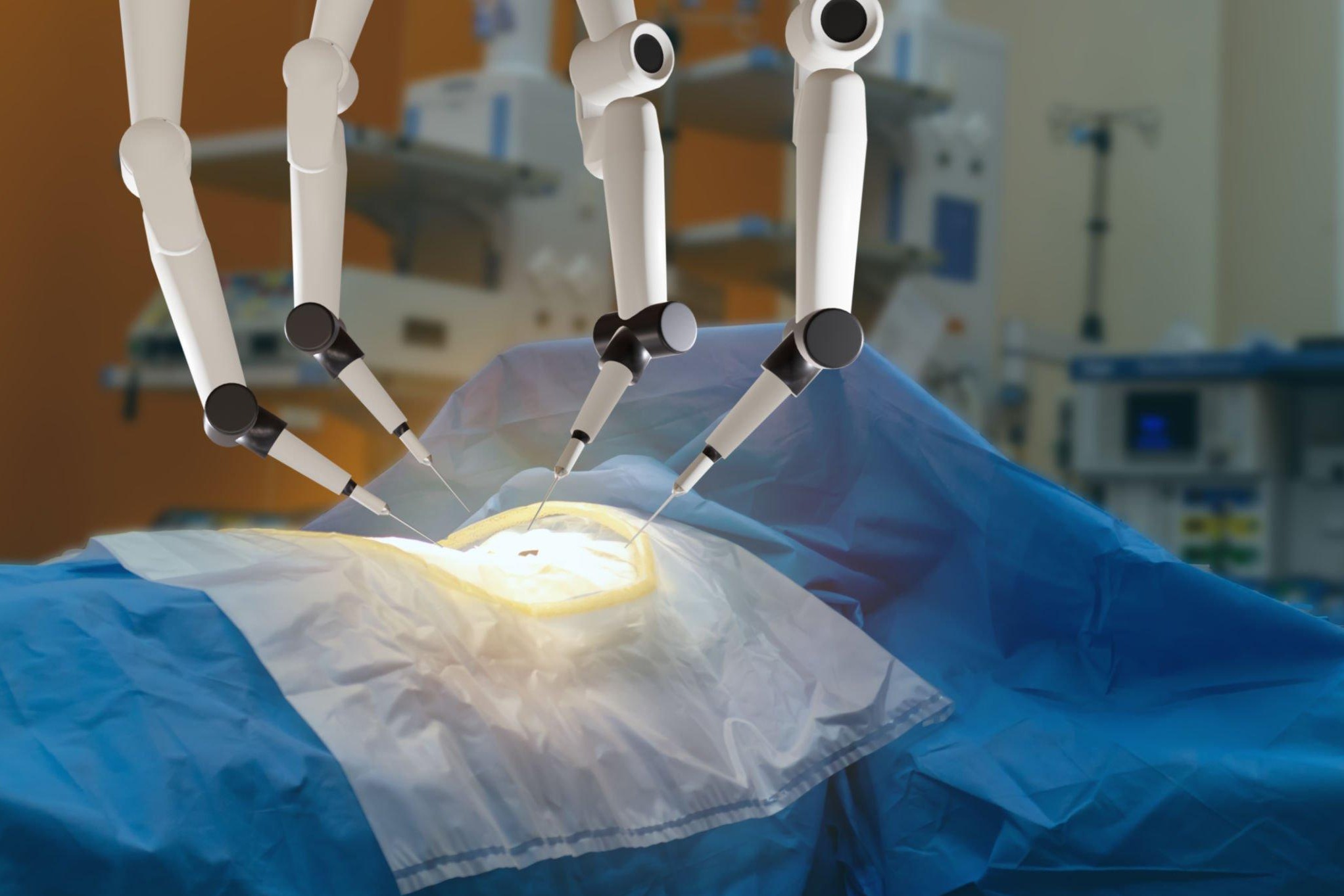
Understanding Surgical Risks: What Every Patient Should Know Before an Operation When a doctor recommends surgery, patients often focus on the benefits and recovery time. But an equally important part of informed decision-making is understanding the possible risks and complications of surgery. This does not mean that complications will happen. Most planned surgical procedures are performed safely, but every operation carries some degree of risk. Understanding those risks can help patients have a more informed conversation with their surgeon. At Aayush Multispecialty Hospital, Thane, surgical planning involves evaluating the patient's condition and selecting an appropriate treatment approach based on individual requirements. Why Does Every Surgery Have Some Risk? Surgery involves making changes to the body, and the body needs time to respond and heal. Potential risks can be influenced by: Type of operation Complexity of the procedure Patient's age General health Existing medical conditions Previous surgeries Type of anesthesia Whether the surgery is planned or an emergency Surgical findings The risk profile is therefore different for every patient. Common Risks Associated With Surgery Some complications can occur with many different types of operations. Pain and Discomfort Pain after surgery is common to varying degrees. The amount of discomfort depends on the procedure and individual patient. Your surgical team can recommend appropriate pain-management measures. Bleeding Some bleeding can occur during or after surgery. The amount considered acceptable varies according to the procedure. Significant bleeding is less common but can require additional treatment. Infection Any surgical incision can potentially become infected. Signs that may require medical attention include: Increasing redness Increasing swelling Worsening pain Fever Pus or unusual discharge Patients should follow their wound-care instructions carefully. Blood Clots Certain operations and periods of reduced mobility can increase the risk of blood clots. The surgical team considers individual risk factors and may recommend measures such as early mobilisation or other preventive strategies when appropriate. Risks Related to Anesthesia Many surgical procedures involve anesthesia. Modern anesthesia is generally carefully monitored, but possible side effects or complications can occur. These may include: Nausea Drowsiness Sore throat after certain types of anesthesia Temporary confusion Allergic reactions Other anesthesia-related complications The anesthetist evaluates the patient's medical history and individual risk factors before surgery. Organ or Tissue Injury Depending on the operation, nearby organs, blood vessels, nerves, or other structures may be at risk of injury. The specific risks depend entirely on the procedure and the anatomy involved. Your surgeon should explain procedure-specific risks before planned surgery. Risks Specific to Individual Procedures Not all surgical risks are the same. For example, the potential complications associated with gallbladder surgery are different from those associated with hernia repair or anorectal procedures. This is why patients should ask: “What are the specific risks of my operation?” Rather than relying only on general information about surgery. Does Laparoscopic Surgery Have Risks? Yes. Laparoscopic surgery is minimally invasive, but it is still surgery. Potential complications can include: Bleeding Infection Injury to surrounding structures Anesthesia-related complications Blood clots Procedure-specific complications Need to convert to open surgery in selected circumstances The risks depend on the operation and patient. Why Might Laparoscopic Surgery Be Converted to Open Surgery? Sometimes a surgeon begins an operation laparoscopically but determines that completing the procedure through an open approach would be safer. Possible reasons can include: Severe inflammation Unexpected anatomy Scar tissue or adhesions Bleeding Difficulty safely completing the operation laparoscopically Unexpected findings Conversion can be an appropriate safety decision. It should not automatically be considered a failure of laparoscopic surgery. What Increases Surgical Risk? Certain factors may increase the risk of complications. These can include: Poorly controlled medical conditions Smoking Obesity Previous major surgery Certain heart or lung conditions Blood-thinning medicines Poor nutritional status Emergency surgery The presence of a risk factor does not necessarily mean surgery cannot be performed. It means the medical team may need additional preparation or precautions. Why Your Medical History Matters Before surgery, tell your surgeon and anesthetist about: Previous surgeries Allergies Current medicines Previous anesthesia problems Existing medical conditions Previous hospitalisations Relevant supplements Even information that seems unrelated may be important for surgical planning. Can Patients Reduce Their Risk? Some risks cannot be completely eliminated, but patients can help by following their healthcare team's instructions. Before surgery: Complete recommended investigations Follow fasting instructions Take or stop medicines only as instructed Inform the team about medical conditions Avoid hiding important health information After surgery: Follow wound-care instructions Take medicines as prescribed Mobilise when advised Follow activity restrictions Attend follow-up appointments Report concerning symptoms promptly Why Smoking Can Matter Before Surgery Smoking can affect respiratory health and wound healing. If you smoke, tell your surgical team. Your doctor can advise you about appropriate steps before and after surgery based on your individual circumstances. What About Diabetes? Patients with diabetes may require additional attention around the time of surgery. Blood glucose management can be an important part of surgical preparation and recovery. If you have diabetes, inform your surgical and anesthesia teams so that your treatment can be planned appropriately. Why Emergency Surgery Can Be Different Planned surgery and emergency surgery are not the same. With planned surgery, there is often time to: Optimise medical conditions Complete investigations Review medications Prepare the patient Discuss the procedure Emergency surgery may need to be performed quickly because delaying treatment could increase the risk to the patient. Should You Be Afraid of Surgical Risks? It is normal to feel anxious. The purpose of discussing risks is not to frighten patients. It is to make sure that patients understand the potential benefits, alternatives, and complications before making an informed decision. Your surgeon can explain which risks are: Common Less common Serious but rare Specific to your particular procedure Questions to Ask Your Surgeon Before planned surgery, consider asking: What is the purpose of this operation? What are the most common complications? Are there any serious but uncommon risks? What risks apply specifically to me? Are there alternatives to surgery? What type of anesthesia will I receive? Is laparoscopic surgery possible? Could the procedure need to be converted to open surgery? How long will recovery take? What symptoms after surgery require urgent attention? Choosing a Surgical Centre When selecting a hospital, patients may consider whether it has appropriate: Surgical facilities Anesthesia support Monitoring equipment Nursing care Emergency preparedness Postoperative care Follow-up arrangements The availability of modern equipment is important, but experienced clinical decision-making and patient safety remain central to surgical care. Surgical Care at Aayush Multispecialty Hospital At Aayush Multispecialty Hospital, Panch Pakhdi, Thane West, patients can discuss surgical treatment options with the surgical team. The hospital's Laser & Advanced Laparoscopy Centre focuses on modern minimally invasive approaches for appropriately selected patients. Dr. Ankur Bhanushali, General Surgeon, evaluates each patient individually and discusses the proposed treatment, expected benefits, potential risks, and recovery considerations. The goal is to help patients understand their treatment before proceeding with surgery. Final Thoughts Every surgical procedure has potential risks, but understanding those risks should not prevent patients from seeking necessary treatment. The important step is to have an honest discussion with your surgeon about: Your diagnosis → Treatment options → Expected benefits → Possible risks → Recovery plan Do not compare your surgical risk with another patient's experience. Your risk depends on your specific condition and overall health. For patients searching for a general surgeon in Thane, laparoscopic surgery in Thane, or advanced surgical care in Thane, Aayush Multispecialty Hospital provides evaluation and treatment for appropriate surgical conditions. Aayush Multispecialty Hospital Laser & Advanced Laparoscopy Centre Panch Pakhdi, Thane West, Maharashtra Dr. Ankur Bhanushali – General Surgeon An informed patient is better prepared for surgery. Ask questions, understand your options, and follow your medical team's instructions carefully. Medical disclaimer: This article is for general educational purposes and does not replace personalised medical advice. Surgical risks vary by procedure and patient. Your surgeon and anesthesia team can provide information specific to your individual circumstances.


