

+918048034294

Currently it only shows your basic business info. Start adding relevant business details such as description, images and products or services to gain your customers attention by using Boost 360 android app / iOS App / web portal.

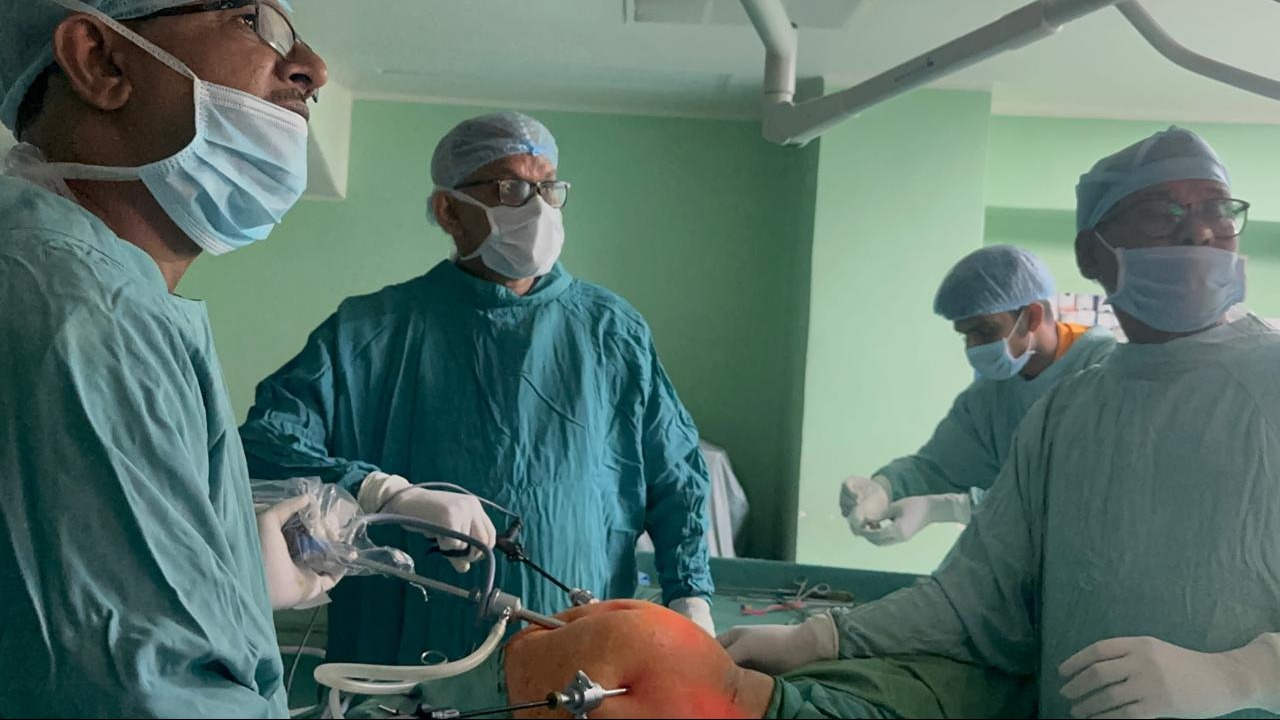
Surgical Wound Care After an Operation: Simple Steps Patients Should Know for a Healthy Recovery** ## Introduction The operation may be over, but healing continues after the patient leaves the operating theatre. One of the most important parts of recovery is **surgical wound care**. Patients often have questions about dressings, bathing, activity, pain, swelling, stitches, and what changes are normal during healing. Good wound care can support proper healing and help patients recognise concerning changes early. However, wound-care instructions can differ significantly depending on the type of operation, location of the wound, surgical technique, and the patient's health. At **Aayush Multispecialty Hospital, Thane**, patients undergoing surgical procedures receive post-operative guidance according to their individual procedure and recovery needs. **Dr. Ankur Bhanushali, General Surgeon**, provides surgical consultation and treatment for a range of general surgical conditions. --- # What Is a Surgical Wound? A surgical wound is an area where the body has been intentionally opened, treated, or manipulated during a medical procedure. Depending on the operation, it may be: * A small incision * Several small laparoscopic incisions * A larger surgical incision * A wound requiring stitches * A wound closed with staples or another method * A wound that requires specialised dressing The appearance and healing process can therefore vary from patient to patient. --- # Why Is Wound Care Important After Surgery? After an operation, the body begins repairing the treated area. Appropriate wound care helps: * Protect the surgical site * Support healing * Keep the area appropriately clean * Reduce unnecessary irritation * Identify potential complications early Patients should follow the wound-care instructions provided by their surgeon rather than relying solely on general advice. --- # What Should a Patient Expect Immediately After Surgery? The wound may initially have: * A dressing * Mild swelling * Mild tenderness * Some bruising * A small amount of discomfort The exact appearance depends on the procedure. Patients should ask the hospital team when the dressing should be changed and whether they need to return for a wound check. --- # Should You Touch the Surgical Wound? Generally, patients should avoid unnecessary touching of the wound. Before handling the area or following any dressing instructions, patients should maintain appropriate hand hygiene. Do not repeatedly touch, scratch, press, or inspect the wound unnecessarily. --- # Should You Change the Dressing Yourself? This depends on the procedure and the surgeon's instructions. Some patients may be taught how to manage a dressing at home. Others may need dressing changes performed by a healthcare professional. **Do not remove or replace a surgical dressing simply because it looks inconvenient.** Follow the instructions given at discharge. --- # Can You Bathe After Surgery? This depends on the operation, dressing, wound closure, and surgeon's instructions. Patients should ask specifically: **“When can I shower, and should the wound get wet?”** Do not assume that every surgical wound follows the same bathing instructions. --- # What About Soap Around the Wound? Patients should follow the instructions provided by their surgical team regarding cleaning. Avoid applying unapproved substances, antiseptics, powders, creams, oils, or home remedies directly to a surgical wound unless specifically advised by a healthcare professional. --- # Should You Apply an Antibiotic Cream? Not every surgical wound requires an antibiotic cream. Using medicines or creams without medical advice may not be necessary and can sometimes irritate the skin. Use only the wound products recommended by your treating team. --- # Is Mild Swelling Normal? Some swelling can occur after surgery. The amount depends on: * Type of procedure * Location of the wound * Surgical technique * Individual healing response Mild swelling that gradually improves can be part of recovery. However, **rapidly increasing swelling, severe pain, significant redness, or other concerning changes should be reported to the medical team.** --- # What About Bruising? Bruising can sometimes occur around a surgical site. It may change colour as it resolves. However, significant or rapidly increasing bruising should be discussed with the treating team, particularly if it is accompanied by pain, swelling, bleeding, or other symptoms. --- # Can a Surgical Wound Be Painful? Some discomfort after surgery is expected. Pain should generally be managed according to the medication plan provided by the medical team. Patients should contact their surgeon if pain: * Becomes significantly worse * Suddenly changes * Is not controlled by prescribed medication * Occurs with fever or other concerning symptoms --- # Why Should Patients Avoid Scratching the Wound? Healing skin can sometimes feel itchy. Scratching can: * Irritate the area * Damage healing tissue * Disturb stitches * Introduce contamination If itching is persistent or severe, discuss it with your healthcare team instead of scratching the wound. --- # What Happens to Stitches? The method used to close a surgical wound varies. Some stitches: * Need removal after a specified period * Dissolve on their own * Are placed beneath the skin Patients should ask which type they have and whether a follow-up visit is required for removal. --- # Can You Exercise After Surgery? Physical activity should be restarted according to the surgeon's instructions. Walking may be encouraged relatively early after some procedures, but strenuous exercise and heavy lifting may need to be restricted. The restrictions depend on: * Type of surgery * Wound location * Extent of the operation * Healing * Individual health Do not return to heavy exercise simply because the wound looks better externally. --- # What About Lifting Heavy Objects? After certain abdominal or other surgical procedures, patients may receive temporary restrictions on heavy lifting. This is particularly important when the surgical site needs time to heal. Ask your surgeon: **“When can I safely lift weights or return to strenuous physical activity?”** --- # Can You Drive After Surgery? Driving should depend on your recovery and medical advice. Considerations may include: * Pain * Mobility * Medication * Ability to react quickly * Location and type of surgery Patients should not drive if medicines or their condition affect alertness or safe vehicle control. --- # What Should You Eat During Recovery? There is no single diet for every surgical patient. Dietary advice depends on the procedure and individual condition. Depending on the surgery, your doctor may recommend: * Adequate fluids * Protein-rich foods * Easily digestible foods initially * Gradual return to a normal diet Follow the specific instructions provided by your surgical team. --- # Why Is Protein Important for Healing? Protein provides building blocks that the body uses for tissue repair. A balanced diet containing appropriate protein, vitamins, minerals, and adequate fluids can support general recovery. Patients with dietary restrictions or medical conditions should discuss nutrition with their healthcare provider. --- # What Are Signs That a Wound May Need Medical Review? Patients should contact their medical team if they notice concerning changes such as: * Increasing redness * Increasing warmth around the wound * Increasing swelling * Pus-like discharge * Foul-smelling discharge * Persistent or worsening pain * Fever * Wound edges opening * Significant bleeding * Rapidly worsening symptoms These signs do not automatically mean there is an infection, but they should be medically assessed. --- # What If the Wound Starts Bleeding? A small amount of spotting may sometimes occur depending on the procedure. However, **persistent, heavy, or increasing bleeding requires medical attention**. Follow the specific emergency instructions provided by your hospital. --- # What If the Wound Opens? Patients should not attempt to close an opening themselves. If the wound appears to be separating or opening, contact the surgical team promptly for assessment. --- # Why Should You Attend Your Follow-Up Appointment? A follow-up allows the surgeon to assess: * Wound healing * Swelling * Pain * Stitches or staples * Activity progression * Medication * Overall recovery Even if you feel well, the follow-up may still be important. --- # Surgical Wound Care After Laparoscopy Laparoscopic surgery commonly involves several small incisions rather than one larger incision. Patients may therefore have multiple small wound sites to care for. Even though the incisions may look small, patients should still follow all instructions regarding: * Dressings * Bathing * Activity * Exercise * Follow-up Small incisions still require appropriate healing time. --- # Does Smaller Incision Mean No Wound Care? No. A minimally invasive procedure can reduce the size of surgical access in appropriate cases, but the incision still requires healing. Patients should not assume that a laparoscopic wound can be ignored. --- # Wound Care After Laser Procedures Wound care after a laser procedure depends on: * Type of laser * Location * Depth of treatment * Surgical technique * Dressing requirements Patients should follow the specific instructions provided by their surgeon. There is no single wound-care routine for every laser procedure. --- # Common Wound-Care Mistakes Patients Should Avoid ### 1. Removing the dressing too early Wait until you have been instructed to change or remove it. ### 2. Applying home remedies Avoid oils, powders, herbal preparations, or other substances unless recommended. ### 3. Scratching the wound This can irritate healing tissue. ### 4. Returning to strenuous exercise too soon The outside of the wound may look healed before deeper tissues have fully recovered. ### 5. Ignoring worsening symptoms Do not assume increasing pain, redness, discharge, or swelling is always part of normal healing. ### 6. Missing follow-up Post-operative review is an important part of surgical care. --- # When Should You Contact Your Surgeon? Contact your medical team if you are concerned about: * Fever * Increasing pain * Significant swelling * Wound discharge * Bleeding * Wound separation * Increasing redness * New symptoms * Medication reactions * Any unexpected change in your recovery If you experience severe symptoms or believe you have a medical emergency, seek urgent medical attention. --- # Dr. Ankur Bhanushali – General Surgeon in Thane **Dr. Ankur Bhanushali**, General Surgeon, provides consultation and surgical treatment at **Aayush Multispecialty Hospital, Thane**. Patients can discuss their condition, surgical options, recovery expectations, wound care, activity restrictions, and follow-up requirements during their treatment journey. The post-operative plan is tailored according to the procedure and individual patient. --- # Aayush Multispecialty Hospital – Complete Surgical Care Surgical care at Aayush Multispecialty Hospital extends beyond the operating theatre. The patient journey includes: **Consultation → Diagnosis → Treatment Planning → Surgery → Recovery → Wound Care → Follow-Up** The hospital's positioning as a **Laser & Advanced Laparoscopy Centre in Thane** supports modern surgical approaches for appropriately selected patients. --- # Looking for Surgical Care in Thane? Patients searching for: * General surgeon in Thane * General surgeon in Thane West * Surgical hospital in Thane * Post-operative care in Thane * Laparoscopic surgeon in Thane * Advanced laparoscopy centre in Thane * Laser surgery in Thane * General surgery hospital near Panch Pakhdi * Surgical consultation in Thane should consider not only the procedure itself but also the quality of pre-operative and post-operative care. --- # Frequently Asked Questions ## How long does a surgical wound take to heal? Healing time varies depending on the operation, wound location, surgical technique, and individual health. ## Can I touch my surgical wound? Avoid unnecessary touching. Follow your surgeon's instructions for dressing and wound care. ## Can I shower after surgery? This depends on the procedure and dressing. Ask your surgical team when it is safe to shower. ## Is some redness around a wound normal? A small amount of change around a healing wound may occur, but increasing redness, warmth, swelling, pain, or discharge should be reported. ## Can I exercise after surgery? Activity restrictions depend on the procedure. Follow your surgeon's specific instructions. ## Should I apply any cream to the wound? Only use creams, ointments, or other products recommended by your healthcare team. --- # Visit Aayush Multispecialty Hospital, Thane ## **Laser & Advanced Laparoscopy Centre** **Aayush Multispecialty Hospital** **Address:** 1st Floor, Marigold Apartment Almeda Road, Mahapalika Bhavan Road Opposite Nitin Co. & Honda Showroom Panch Pakhdi, Thane West Thane, Maharashtra – 400602 **Phone: 086910 33033** **Open 24 Hours** --- # Conclusion Surgical recovery continues well after the operation is complete. Proper wound care, appropriate activity, adequate nutrition, prescribed medicines, and timely follow-up all contribute to a smoother recovery. Patients should remember that **every surgical wound is different**. Instructions provided by the treating surgeon should always take priority over generic information available online. At **Aayush Multispecialty Hospital, Thane**, **Dr. Ankur Bhanushali, General Surgeon**, provides surgical care with attention to the complete patient journey—from diagnosis and treatment planning to recovery and follow-up. For patients looking for a **general surgeon in Thane, surgical hospital in Thane, laparoscopic surgeon in Thane, or Laser & Advanced Laparoscopy Centre in Thane**, Aayush Multispecialty Hospital provides modern surgical care with patient education as an important part of recovery. **Aayush Multispecialty Hospital** 1st Floor, Marigold Apartment, Almeda Road, Mahapalika Bhavan Road, opposite Nitin Co. & Honda Showroom, Panch Pakhdi, Thane West, Thane, Maharashtra – 400602. **Phone: 086910 33033**


