gall bladder stone surgery laparoscopy
Show drafts
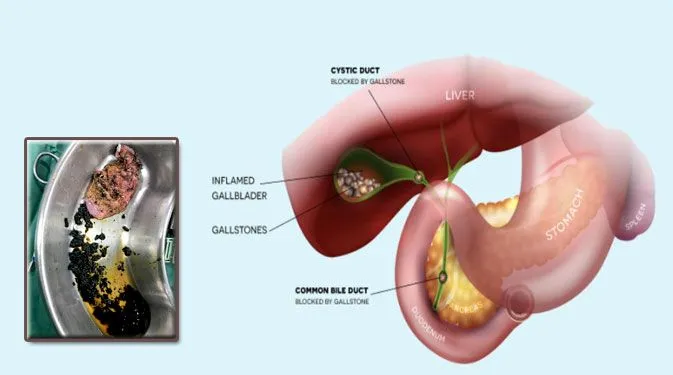
Laparoscopic gallbladder removal, also known as laparoscopic cholecystectomy, is the most common surgical procedure to remove a diseased or inflamed gallbladder. The gallbladder is a small pear-shaped organ located just below the liver in your upper right abdomen. It stores bile, a fluid produced by the liver that helps digest fats in the small intestine.
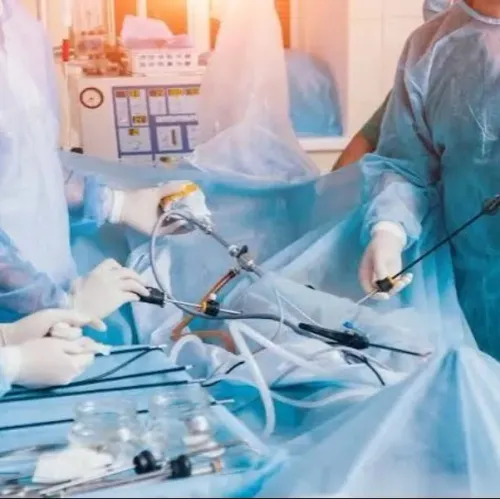
Image of Laparoscopic gallbladder removal surgeryOpens in a new window
www.sages.org
Laparoscopic gallbladder removal surgery
Traditionally, gallbladder removal involved a large incision in the upper right abdomen. However, laparoscopic surgery is a minimally invasive approach that uses several small incisions instead. This leads to quicker recovery times, less pain, and smaller scars.
Here's what to expect during a laparoscopic gallbladder removal surgery:
Before surgery: You will meet with your surgeon to discuss the procedure and any risks or complications. You will also likely need to undergo blood tests and imaging studies, such as an ultrasound, to confirm the presence of gallstones.
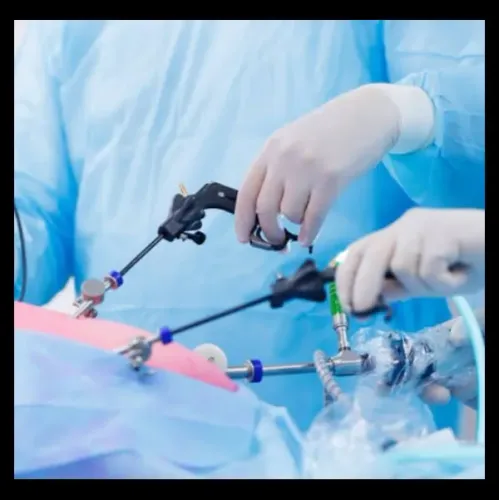
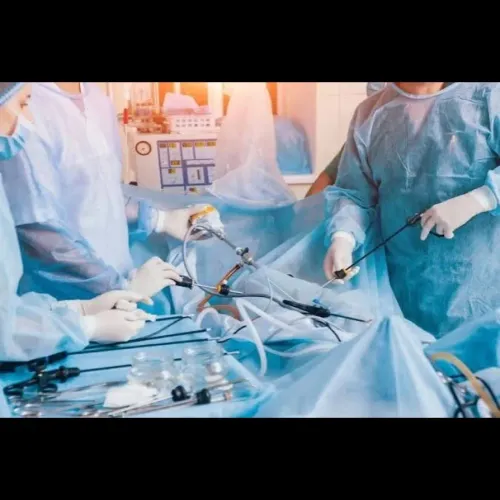
During surgery: You will be given general anesthesia so that you will be asleep and pain-free during the procedure. The surgeon will make a small incision near your belly button and insert a laparoscope, a thin tube with a camera attached. The surgeon will then make two or three additional small incisions in your upper right abdomen. Carbon dioxide gas will be inflated into your abdomen to create more space for the surgeon to see. The surgeon will then insert surgical instruments through the other incisions and carefully remove your gallbladder. Once the gallbladder is removed, the surgeon will close the incisions with stitches or staples.
After surgery: You will typically stay in the hospital for a day or two after surgery. You may experience some pain and discomfort after surgery, but this can be managed with medication. You will likely be able to resume your normal activities within a week or two.
Benefits of laparoscopic gallbladder removal:
Quicker recovery time
Less pain
Smaller scars
Reduced risk of infection
Shorter hospital stay
Risks and complications of laparoscopic gallbladder removal:
Bleeding
Infection
Bile duct injury
Leakage of bile
Anesthesia risks
If you are experiencing symptoms of gallstones, such as pain in the upper right abdomen, nausea, and vomiting, you should see your doctor to discuss treatment options. Laparoscopic gallbladder removal is a safe and effective procedure that can help relieve your symptoms and improve your quality of life.gall bladder stone surgery laparoscopy
Show drafts
Laparoscopic gallbladder removal, also known as laparoscopic cholecystectomy, is the most common surgical procedure to remove a diseased or inflamed gallbladder. The gallbladder is a small pear-shaped organ located just below the liver in your upper right abdomen. It stores bile, a fluid produced by the liver that helps digest fats in the small intestine.
Image of Laparoscopic gallbladder removal surgeryOpens in a new window
www.sages.org
Laparoscopic gallbladder removal surgery
Traditionally, gallbladder removal involved a large incision in the upper right abdomen. However, laparoscopic surgery is a minimally invasive approach that uses several small incisions instead. This leads to quicker recovery times, less pain, and smaller scars.
Here's what to expect during a laparoscopic gallbladder removal surgery:
Before surgery: You will meet with your surgeon to discuss the procedure and any risks or complications. You will also likely need to undergo blood tests and imaging studies, such as an ultrasound, to confirm the presence of gallstones.
During surgery: You will be given general anesthesia so that you will be asleep and pain-free during the procedure. The surgeon will make a small incision near your belly button and insert a laparoscope, a thin tube with a camera attached. The surgeon will then make two or three additional small incisions in your upper right abdomen. Carbon dioxide gas will be inflated into your abdomen to create more space for the surgeon to see. The surgeon will then insert surgical instruments through the other incisions and carefully remove your gallbladder. Once the gallbladder is removed, the surgeon will close the incisions with stitches or staples.
After surgery: You will typically stay in the hospital for a day or two after surgery. You may experience some pain and discomfort after surgery, but this can be managed with medication. You will likely be able to resume your normal activities within a week or two.
Benefits of laparoscopic gallbladder removal:
Quicker recovery time
Less pain
Smaller scars
Reduced risk of infection
Shorter hospital stay
Risks and complications of laparoscopic gallbladder removal:
Bleeding
Infection
Bile duct injury
Leakage of bile
Anesthesia risks
If you are experiencing symptoms of
Show drafts
Laparoscopic gallbladder removal, also known as laparoscopic cholecystectomy, is the most common surgical procedure to remove a diseased or inflamed gallbladder. The gallbladder is a small pear-shaped organ located just below the liver in your upper right abdomen. It stores bile, a fluid produced by the liver that helps digest fats in the small intestine.
Image of Laparoscopic gallbladder removal surgeryOpens in a new window
www.sages.org
Laparoscopic gallbladder removal surgery
Traditionally, gallbladder removal involved a large incision in the upper right abdomen. However, laparoscopic surgery is a minimally invasive approach that uses several small incisions instead. This leads to quicker recovery times, less pain, and smaller scars.
Here's what to expect during a laparoscopic gallbladder removal surgery:
Before surgery: You will meet with your surgeon to discuss the procedure and any risks or complications. You will also likely need to undergo blood tests and imaging studies, such as an ultrasound, to confirm the presence of gallstones.
During surgery: You will be given general anesthesia so that you will be asleep and pain-free during the procedure. The surgeon will make a small incision near your belly button and insert a laparoscope, a thin tube with a camera attached. The surgeon will then make two or three additional small incisions in your upper right abdomen. Carbon dioxide gas will be inflated into your abdomen to create more space for the surgeon to see. The surgeon will then insert surgical instruments through the other incisions and carefully remove your gallbladder. Once the gallbladder is removed, the surgeon will close the incisions with stitches or staples.
After surgery: You will typically stay in the hospital for a day or two after surgery. You may experience some pain and discomfort after surgery, but this can be managed with medication. You will likely be able to resume your normal activities within a week or two.
Benefits of laparoscopic gallbladder removal:
Quicker recovery time
Less pain
Smaller scars
Reduced risk of infection
Shorter hospital stay
Risks and complications of laparoscopic gallbladder removal:
Bleeding
Infection
Bile duct injury
Leakage of bile
Anesthesia risks
If you are experiencing symptoms of gallstones, such as pain in the upper right abdomen, nausea, and vomiting, you should see your doctor to discuss treatment options. Laparoscopic gallbladder removal is a safe and effective procedure that can help relieve your symptoms and improve your quality of life.gall bladder stone surgery laparoscopy
Show drafts
Laparoscopic gallbladder removal, also known as laparoscopic cholecystectomy, is the most common surgical procedure to remove a diseased or inflamed gallbladder. The gallbladder is a small pear-shaped organ located just below the liver in your upper right abdomen. It stores bile, a fluid produced by the liver that helps digest fats in the small intestine.
Image of Laparoscopic gallbladder removal surgeryOpens in a new window
www.sages.org
Laparoscopic gallbladder removal surgery
Traditionally, gallbladder removal involved a large incision in the upper right abdomen. However, laparoscopic surgery is a minimally invasive approach that uses several small incisions instead. This leads to quicker recovery times, less pain, and smaller scars.
Here's what to expect during a laparoscopic gallbladder removal surgery:
Before surgery: You will meet with your surgeon to discuss the procedure and any risks or complications. You will also likely need to undergo blood tests and imaging studies, such as an ultrasound, to confirm the presence of gallstones.
During surgery: You will be given general anesthesia so that you will be asleep and pain-free during the procedure. The surgeon will make a small incision near your belly button and insert a laparoscope, a thin tube with a camera attached. The surgeon will then make two or three additional small incisions in your upper right abdomen. Carbon dioxide gas will be inflated into your abdomen to create more space for the surgeon to see. The surgeon will then insert surgical instruments through the other incisions and carefully remove your gallbladder. Once the gallbladder is removed, the surgeon will close the incisions with stitches or staples.
After surgery: You will typically stay in the hospital for a day or two after surgery. You may experience some pain and discomfort after surgery, but this can be managed with medication. You will likely be able to resume your normal activities within a week or two.
Benefits of laparoscopic gallbladder removal:
Quicker recovery time
Less pain
Smaller scars
Reduced risk of infection
Shorter hospital stay
Risks and complications of laparoscopic gallbladder removal:
Bleeding
Infection
Bile duct injury
Leakage of bile
Anesthesia risks
If you are experiencing symptoms of
Keywords