

+918048034294

Currently it only shows your basic business info. Start adding relevant business details such as description, images and products or services to gain your customers attention by using Boost 360 android app / iOS App / web portal.

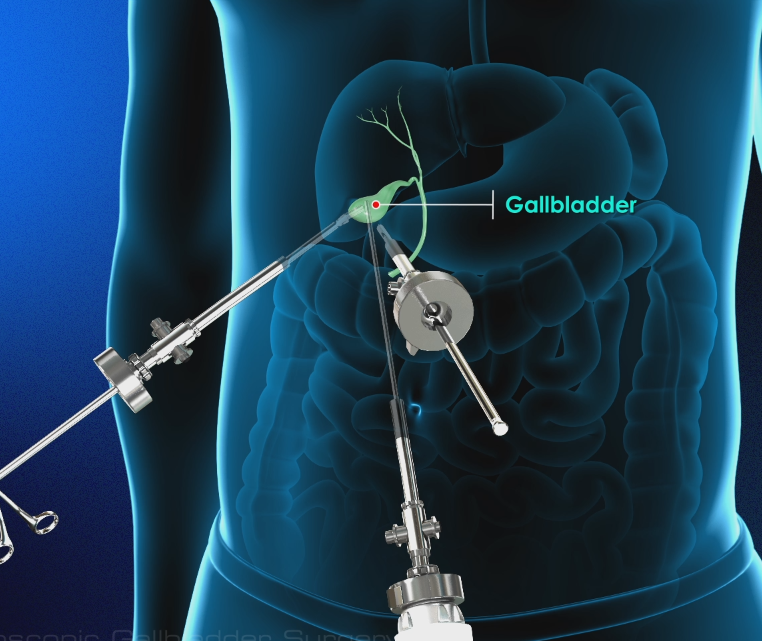
Enhanced Recovery After Surgery: How Modern Surgical Care Focuses on Getting Patients Back to Routine** ## Introduction When patients think about surgery, they often focus on the operation itself. But successful surgical care does not end when the procedure is completed. A major part of modern healthcare is helping patients **recover safely, comfortably, and efficiently after surgery**. This includes preparing the patient before the operation, using appropriate surgical techniques, managing pain, encouraging safe movement, supporting nutrition, monitoring recovery, and providing clear follow-up instructions. This overall approach is often associated with **Enhanced Recovery After Surgery (ERAS)** principles. At **Aayush Multispecialty Hospital, Thane**, the surgical journey involves more than the operating procedure. **Dr. Ankur Bhanushali, General Surgeon**, evaluates patients individually and develops treatment and recovery plans according to their condition. As a **Laser & Advanced Laparoscopy Centre in Thane**, Aayush Multispecialty Hospital also focuses on modern surgical approaches where they are clinically appropriate. --- # What Does “Enhanced Recovery” Mean? Enhanced recovery is a modern approach to surgical care that aims to help suitable patients recover efficiently while maintaining safety. Instead of considering surgery as a single event, the patient's journey is viewed as a complete process: **Before surgery → During surgery → Immediately after surgery → Recovery at home → Follow-up** Every stage can influence recovery. --- # Why Does Recovery Begin Before Surgery? Many patients think recovery starts after the operation. In reality, preparation begins before surgery. Depending on the procedure and the patient's health, the surgical team may review: * Medical history * Current medicines * Nutrition * Smoking and tobacco use * Existing health conditions * Fitness for surgery * Investigations * Anaesthesia considerations Good preparation can help the healthcare team identify issues that may need attention before the procedure. --- # Understanding the Importance of Pre-Operative Assessment Before planned surgery, patients may undergo an assessment to determine whether they are medically ready for the procedure. Depending on the surgery and individual circumstances, this may include: * Blood investigations * Blood pressure assessment * Blood sugar evaluation * ECG * Other investigations * Anaesthesia assessment Not every patient requires the same tests. The evaluation should be tailored to the individual and the planned operation. --- # Why Your Medical History Matters Conditions such as diabetes, high blood pressure, heart disease, respiratory problems, or other medical issues can influence surgical planning. Patients should tell their medical team about existing health conditions and all medicines they take. Even medicines that seem unrelated to surgery can sometimes be important. --- # Nutrition and Surgical Recovery Nutrition plays an important role in general health and healing. The body requires adequate nutrients to support: * Tissue repair * Immune function * Energy * Recovery Patients should follow the dietary advice given by their healthcare team. Specific nutritional recommendations can vary depending on the surgery and medical condition. --- # Why Smoking and Tobacco Can Matter Before Surgery Patients who smoke or use tobacco should inform their doctor. Tobacco use can affect healing and may increase certain surgical and anaesthesia-related risks. If you are preparing for planned surgery, discuss tobacco use openly with your medical team. They can provide appropriate guidance based on your circumstances. --- # Pain Management Is Part of Modern Recovery Pain management is an important part of post-operative care. The objective is not necessarily to eliminate every sensation immediately, but to keep pain controlled enough to allow safe: * Movement * Breathing * Rest * Eating when permitted * Daily activities Pain-management strategies depend on the operation and patient. --- # Why Early Movement May Be Encouraged Patients sometimes believe that they should remain completely in bed after surgery. However, depending on the procedure and medical condition, healthcare teams may encourage **safe mobilisation as early as appropriate**. Movement may help patients: * Regain independence * Improve general mobility * Reduce the effects of prolonged bed rest The timing and amount of activity must always follow the surgeon's instructions. --- # Why Breathing Exercises May Be Recommended After certain operations, especially when general anaesthesia is involved, the medical team may encourage appropriate breathing exercises or deep breathing. These can help support normal lung function during recovery. Patients should follow the specific instructions provided by their medical team. --- # Returning to Food After Surgery Patients often ask: **“When can I eat normally after surgery?”** The answer depends on the operation, anaesthesia, recovery, and individual circumstances. Some patients may resume oral intake relatively quickly. Others may need a more gradual approach. The medical team decides when and how food and fluids should be restarted. --- # Does Minimally Invasive Surgery Help Recovery? For selected procedures and suitable patients, minimally invasive surgery may offer recovery advantages compared with some traditional open approaches. Laparoscopic procedures use smaller access points and specialised instruments. Potential advantages can include: * Smaller incisions * Less tissue disruption * Reduced post-operative discomfort in many cases * Earlier mobilisation * Potentially quicker return to routine activities However, recovery varies considerably between procedures and patients. --- # Why Surgery Should Not Be Compared Only by Incision Size A smaller incision does not automatically mean that a procedure is safer or more appropriate. The surgeon must consider: * What needs to be treated * Disease severity * Anatomy * Previous operations * Patient health * Surgical complexity The best surgical approach is the one that appropriately treats the condition while considering patient safety. --- # What Role Does Anaesthesia Play in Recovery? Anaesthesia is not simply about making a patient unconscious during an operation. The anaesthesia team also considers: * Medical history * Airway * Heart and lung function * Medicines * Pain management * Recovery after anaesthesia Patients may receive specific instructions before and after anaesthesia. --- # Why Post-Operative Monitoring Matters After surgery, patients are observed for changes in their condition. The healthcare team may monitor: * Blood pressure * Heart rate * Oxygen levels * Pain * Consciousness * Wound condition * Other procedure-specific factors Monitoring helps the team identify concerns early. --- # Recovery Does Not End When You Leave the Hospital Discharge is only one stage of recovery. At home, patients may need to continue: * Medicines * Wound care * Dietary recommendations * Activity restrictions * Exercises * Follow-up appointments Patients should follow their surgeon's instructions rather than comparing their recovery with someone else's. --- # How Quickly Can You Return to Work? There is no universal recovery timeline. Return to work depends on: * Type of operation * Surgical technique * Physical demands of the job * Pain * General health * Healing * Doctor's advice Someone working at a desk may return earlier than someone whose work involves heavy lifting. --- # What About Exercise After Surgery? Exercise should generally be restarted gradually. The surgeon may provide restrictions regarding: * Walking * Driving * Gym workouts * Weight lifting * Sports * Heavy physical activity Do not assume that feeling better means all restrictions can immediately be removed. --- # What Symptoms Should Be Reported During Recovery? Patients should contact their medical team if they experience concerning symptoms such as: * Increasing rather than improving pain * Fever * Significant wound redness or discharge * Excessive bleeding * Persistent vomiting * Breathing difficulty * Severe weakness * New or rapidly worsening symptoms The appropriate response depends on the individual situation. --- # Why Follow-Up Appointments Matter A follow-up appointment allows the surgeon to assess recovery. Depending on the procedure, the doctor may review: * Wound healing * Pain * Bowel or urinary function * Activity level * Medication * Pathology results when applicable * Further treatment requirements Patients should not skip follow-up simply because they feel well. --- # Every Patient Recovers Differently One of the biggest mistakes patients make is comparing themselves with another person. For example: **“My friend had the same surgery and returned to work in five days.”** This does not mean you will recover in exactly five days. Recovery depends on individual factors including: * Age * General health * Procedure * Surgical findings * Anaesthesia * Pain tolerance * Occupation * Healing response Your surgeon's advice should take priority. --- # Dr. Ankur Bhanushali – General Surgeon in Thane **Dr. Ankur Bhanushali**, General Surgeon, provides surgical consultation and treatment at **Aayush Multispecialty Hospital, Thane**. Patients can discuss: * Whether surgery is required * Available surgical approaches * Pre-operative preparation * Expected recovery * Post-operative restrictions * Follow-up requirements The treatment plan is individualised according to the patient's diagnosis and overall condition. --- # Aayush Multispecialty Hospital – Modern Surgical Care At **Aayush Multispecialty Hospital**, surgical care extends from consultation to recovery. The hospital provides support across different stages of the surgical journey, including: **Evaluation → Diagnosis → Preparation → Surgery → Recovery → Follow-up** The hospital's **Laser & Advanced Laparoscopy Centre** positioning reflects its focus on modern surgical approaches for suitable patients. --- # Patient Education at Aayush Multispecialty Hospital A well-informed patient can participate more effectively in their own recovery. Before leaving the hospital, patients should understand: * Which medicines to take * How to care for the wound * What foods are appropriate * What activities to avoid * When to return for follow-up * Which symptoms require medical attention Patients should ask questions if any instruction is unclear. --- # Looking for Surgical Care in Thane? Patients searching for: * General surgeon in Thane * General surgery hospital in Thane * Laparoscopic surgeon in Thane * Advanced laparoscopy centre in Thane * Laser surgery centre in Thane * Surgical hospital in Thane West * Post-operative care in Thane * General surgery consultation in Thane * Surgeon near Panch Pakhdi should consider the complete surgical-care pathway rather than looking only at the operation itself. --- # Frequently Asked Questions ## What is enhanced recovery after surgery? It is a modern approach that focuses on optimising care before, during, and after surgery to support safe and efficient recovery. ## Does enhanced recovery mean faster recovery for everyone? No. Recovery varies from person to person and depends on the procedure and individual health. ## Can I walk soon after surgery? Depending on the procedure and your condition, your healthcare team may encourage safe movement when appropriate. ## When can I return to work? The timeline depends on your procedure, occupation, recovery, and surgeon's advice. ## Can I exercise immediately after surgery? Activity restrictions vary. Follow the specific instructions provided by your surgeon. ## Why is follow-up important if I feel fine? Follow-up allows the surgeon to confirm that healing is progressing appropriately and address problems that may not be obvious to the patient. --- # Visit Aayush Multispecialty Hospital, Thane ## **Laser & Advanced Laparoscopy Centre** **Aayush Multispecialty Hospital** **Address:** 1st Floor, Marigold Apartment Almeda Road, Mahapalika Bhavan Road Opposite Nitin Co. & Honda Showroom Panch Pakhdi, Thane West Thane, Maharashtra – 400602 **Phone: 086910 33033** **Open 24 Hours** --- # Conclusion Modern surgical care is not limited to what happens inside the operating theatre. **Preparation, anaesthesia, pain management, nutrition, safe mobilisation, wound care, discharge planning, and follow-up all contribute to the patient's recovery.** Enhanced recovery principles encourage healthcare teams to look at the complete surgical journey rather than treating the operation as an isolated event. At **Aayush Multispecialty Hospital, Thane**, **Dr. Ankur Bhanushali, General Surgeon**, provides personalised surgical evaluation and treatment, supported by modern hospital infrastructure. As a **Laser & Advanced Laparoscopy Centre in Thane**, Aayush Multispecialty Hospital focuses on appropriate modern surgical techniques while keeping patient safety, diagnosis, recovery, and individual needs at the centre of care. **Aayush Multispecialty Hospital** 1st Floor, Marigold Apartment, Almeda Road, Mahapalika Bhavan Road, opposite Nitin Co. & Honda Showroom, Panch Pakhdi, Thane West, Thane, Maharashtra – 400602. **Phone: 086910 33033**


